

10 Simple Things That Will Help You Make More Art
Because wanting to make art and actually sitting down to do it are two very different things.

You want to make more art. I do too. But then the table is covered, your brushes need to be cleaned, your phone is sitting nearby, and half of your available time disappears while you try to decide what to make.
The problem is not always a lack of desire or motivation. Sometimes there is simply too much friction between you and the act of creating.
Making more art does not necessarily require a complete overhaul of your life. Often, it is about removing a few obstacles and making your creative practice easier to begin and return to.
You certainly do not need to try all ten of these ideas at once. Choose one or two that fit your life and begin there. Sometimes one small shift is enough to get you making again.
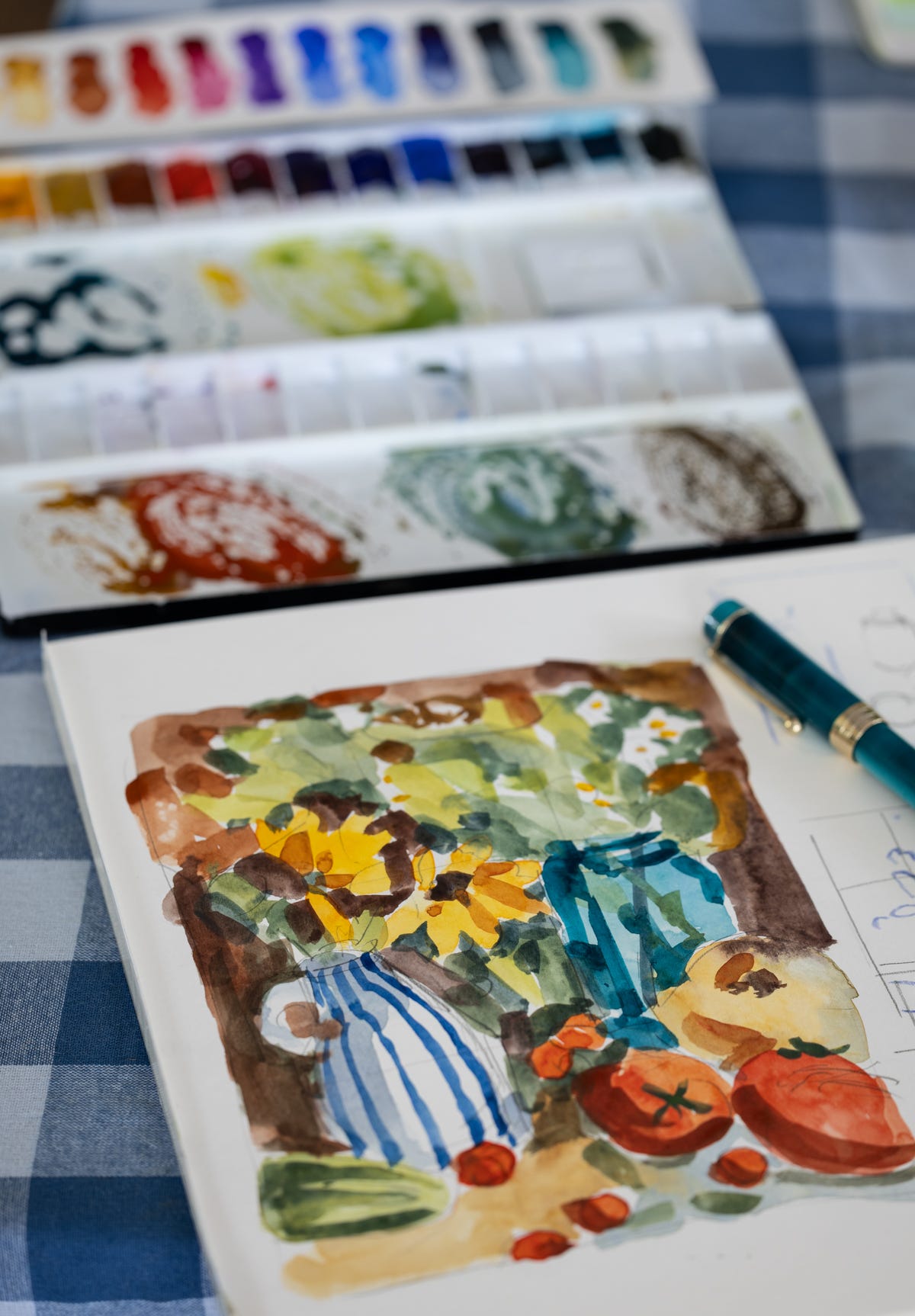
1. Keep Your Supplies Visible
Perhaps you have a dedicated studio space, which is amazing. But even then, if your supplies are tucked away in a separate room, closet, or basement, they can quickly become out of sight and out of mind.
Consider creating a few small art stations that keep your supplies and your practice visible.
This could look like:
A sketchbook, small watercolor palette, brush, and jar of water gathered in a box on your dining room table.
A jar of markers or colored pencils sitting on your coffee table beside a sketchbook.
A few Neocolor II crayons, a mini sketchbook, and a water brush tucked into your bag or purse.
You could take this idea even further and create an art nest.
My friend and fellow artist Linda of Beginner’s Mind - Art Mind introduced me to this idea. She has surrounded her favorite cozy chair with art supplies she can easily reach. Her art nest was created partly for health reasons, allowing her to continue showing up for her art even when she is not feeling her best.
The goal is simply to make creating feel convenient and inviting.
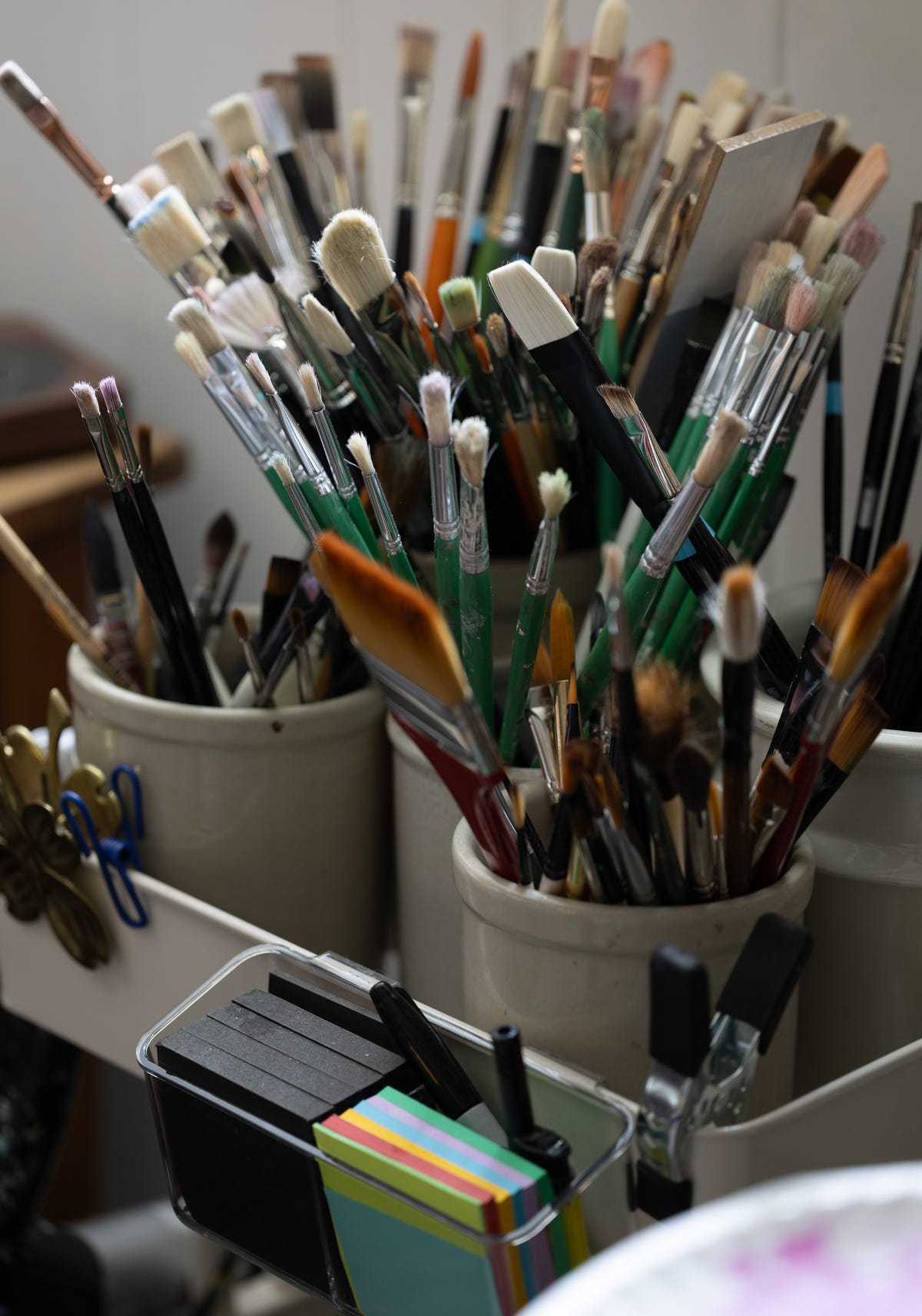
2. Prepare in Advance and Remove the Obstacles
Along with keeping your supplies visible, try to keep them ready to use.
That might mean cleaning your brushes at the end of a session, refilling your palette, stocking paper towels, cutting paper to size, or clearing a small section of your work surface.
These tasks may seem insignificant, but they can become surprisingly effective roadblocks when you finally feel the urge to create. Nothing stops me faster than realizing I need to clean brushes or completely clear off my workspace before I can begin.
Think about what regularly slows you down and take care of it ahead of time. You want the path between “I feel like making something” and actually making it to be as short as possible.
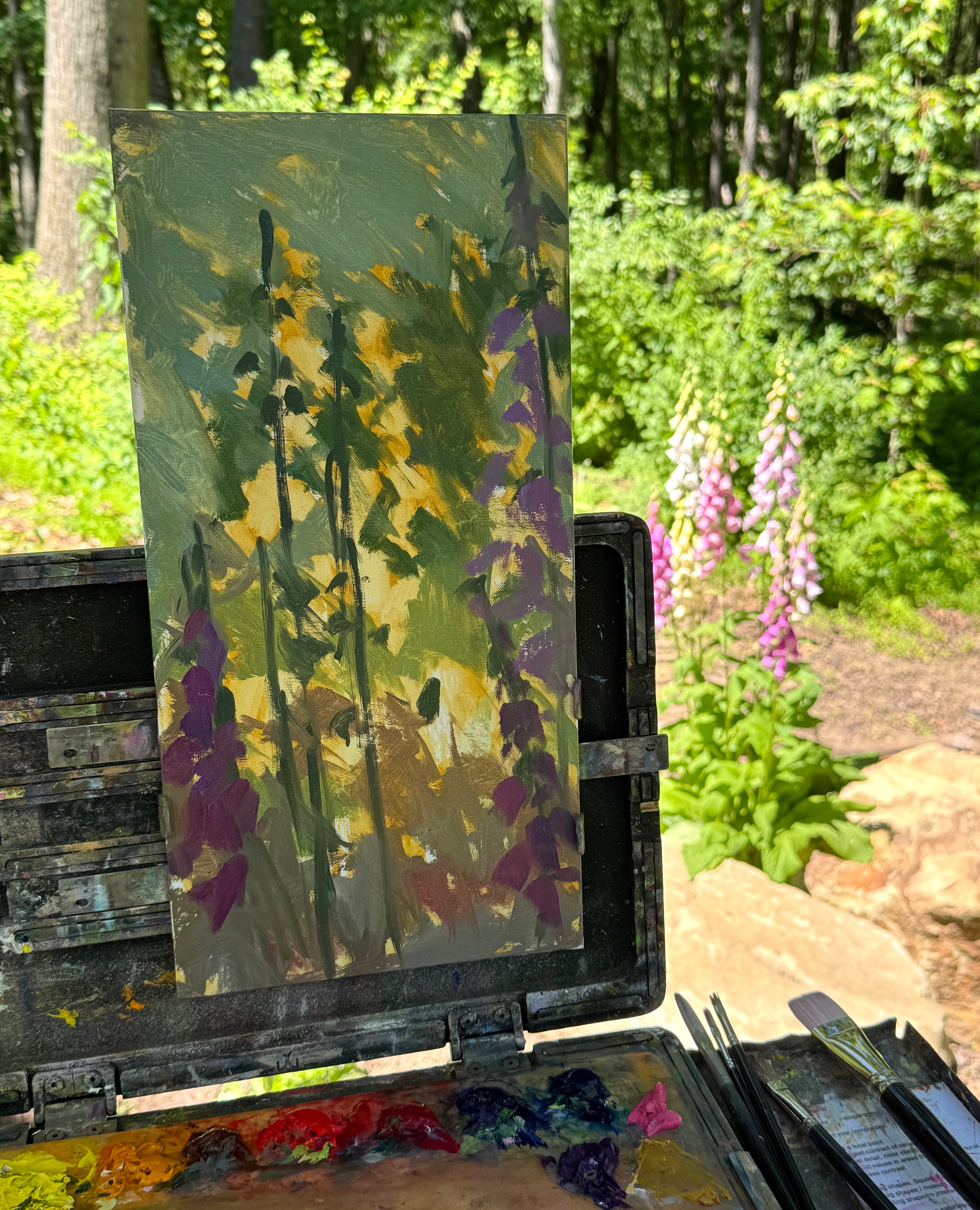
3. Have Go-To References and Ideas
One of the easiest ways to lose your available art time is by spending all of it trying to decide what to make.
This is honestly something I still struggle with, but I have found a few ways to make the decision easier.
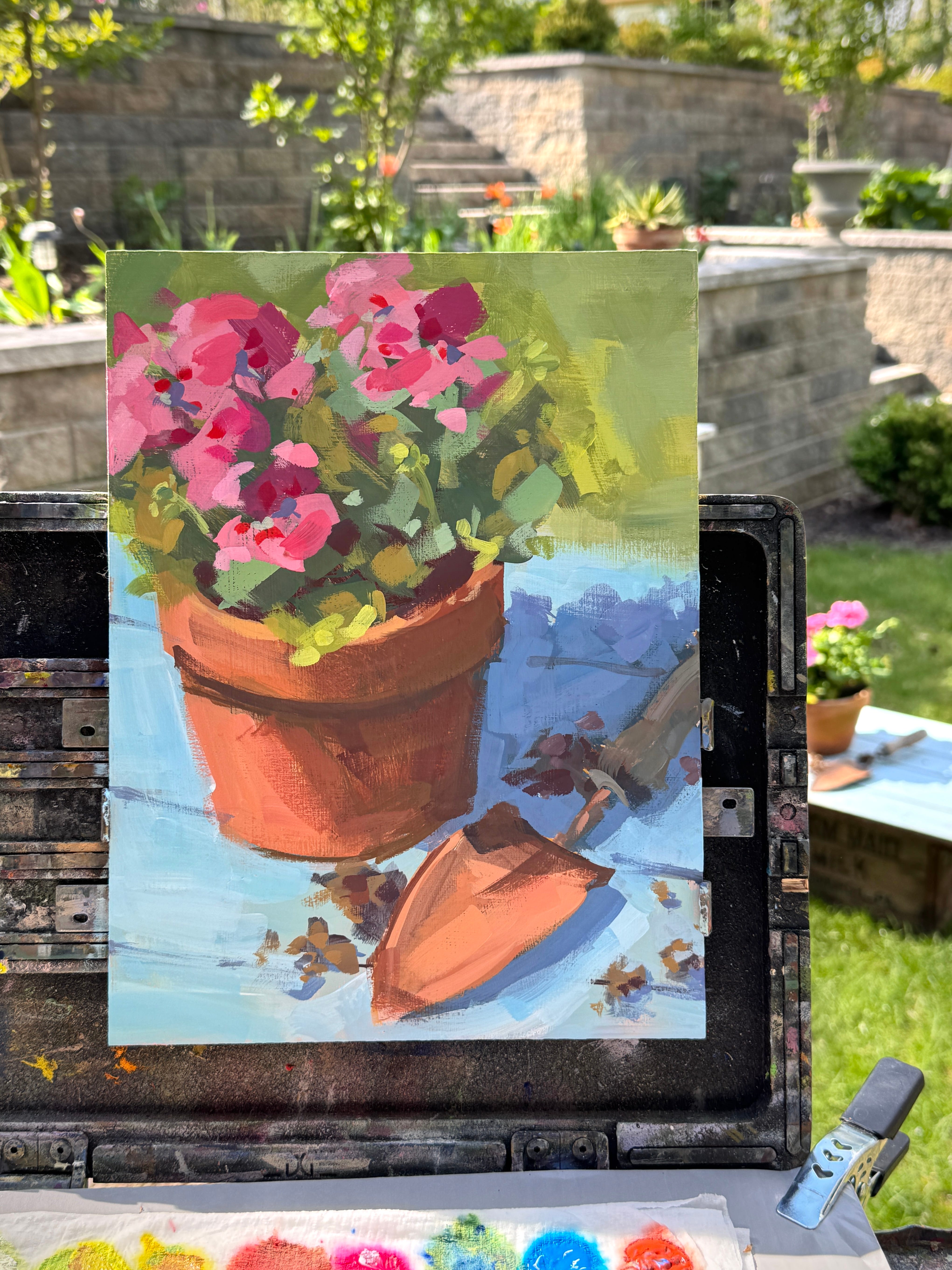
First, find a subject you almost always enjoy. For me, it is flowers. I can paint or sketch flowers from my garden, arrange a few in a vase, or work from a photo I took a year ago. Flowers rarely let me down.
Your subject might be trees, clouds, pets, buildings, people, coffee cups, or the view from your kitchen window. It does not need to be original or impressive. It simply needs to get you started.
I also keep a large folder of reference photos on my computer. They are divided into categories such as figures, animals, landscapes, and boats. Within that collection, I have another folder called “To Paint.” It contains the dozen or so images I am most excited about right now.
You can create the same type of folder on your phone. The next time you have ten or twenty minutes to make something, you will not need to scroll through hundreds of photos looking for inspiration.
Another option is to keep a still life set up and ready to go. I got this idea from Sandi Hester, who has shared that she keeps a table in her studio arranged with fruit, flowers, bowls, cups, tablecloths, and other objects. At the end of the day, she can sit down and paint or sketch from it.
Even without a dedicated studio, you could create a simple arrangement on a coffee table or dining room table. It can be functional decor and a still life at the same time.
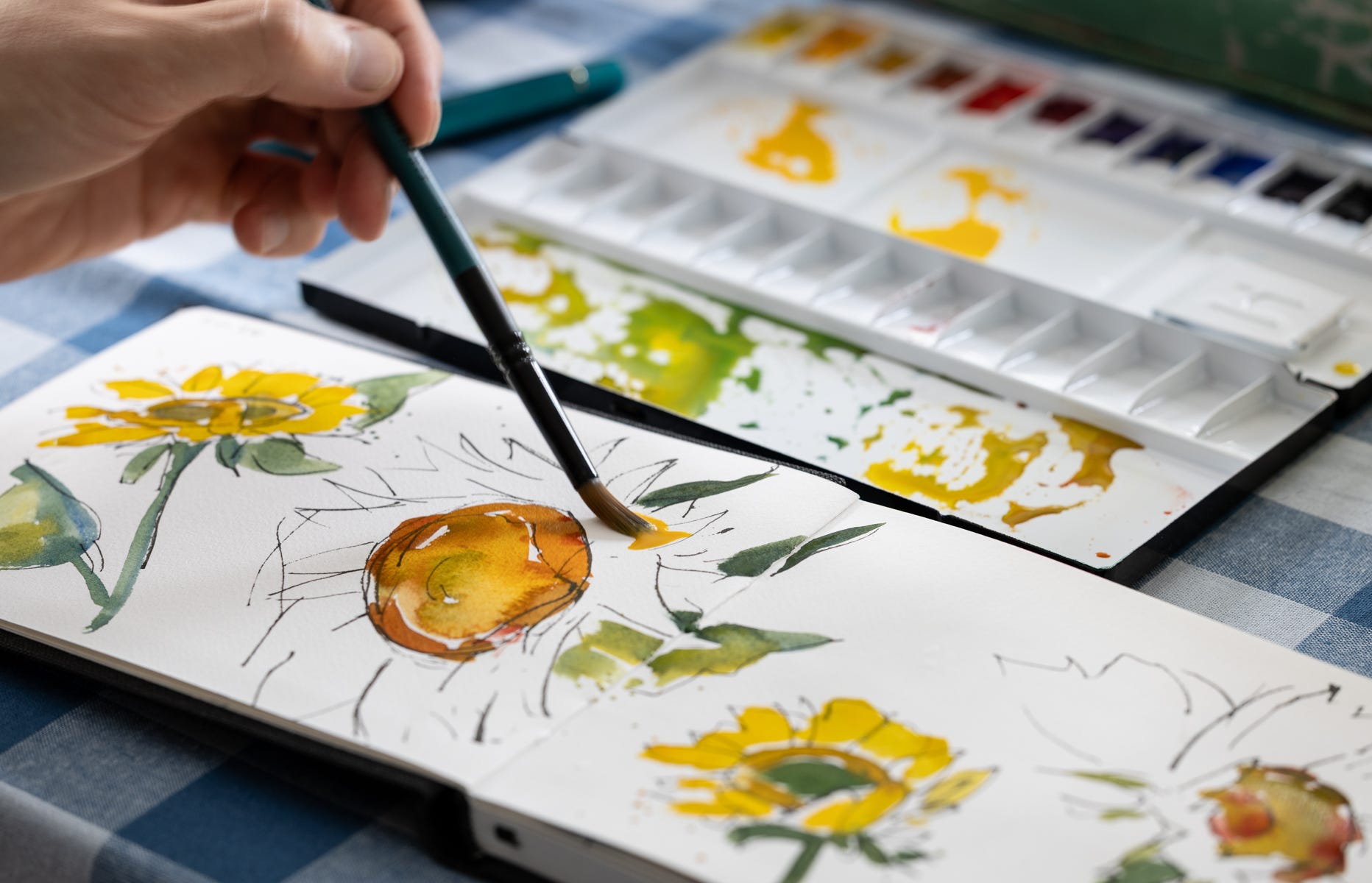
4. Schedule Time for Your Art and Keep It
Many of us put our creative practice surprisingly low on the priority list. Art becomes the thing we will do once everything else is finished.
Of course, everything else is rarely finished.
Try setting aside ten minutes, thirty minutes, or an hour for your art. It could be every morning, one evening a week, or Sunday afternoon. The exact amount of time matters less than protecting it consistently.
My artist friend Kim Smith began her art practice by getting up a little earlier so she would have time to paint every day. She is now a full-time artist who teaches workshops around the world.
Is getting up an hour earlier easy? Probably not. But creating a life that includes the things that matter to you sometimes requires a little effort and adjustment.
Once you schedule the time, treat it like a date with your best friend. Put your phone away. Avoid filling that hour with chores or favors that could happen later. Show up for the appointment you made with yourself.
5. Join an Art Group
If you are motivated by creating alongside others, an art group can provide community, inspiration, accountability, and a reason to get out your supplies.
Facebook is a good place to begin looking. Search for local Urban Sketchers, figure-drawing sessions, plein air painters, art associations, galleries, or community classes. Your library may offer creative events too. Even in my small hometown, the library hosts free art classes.
And if you cannot find the kind of group you want, consider starting one.
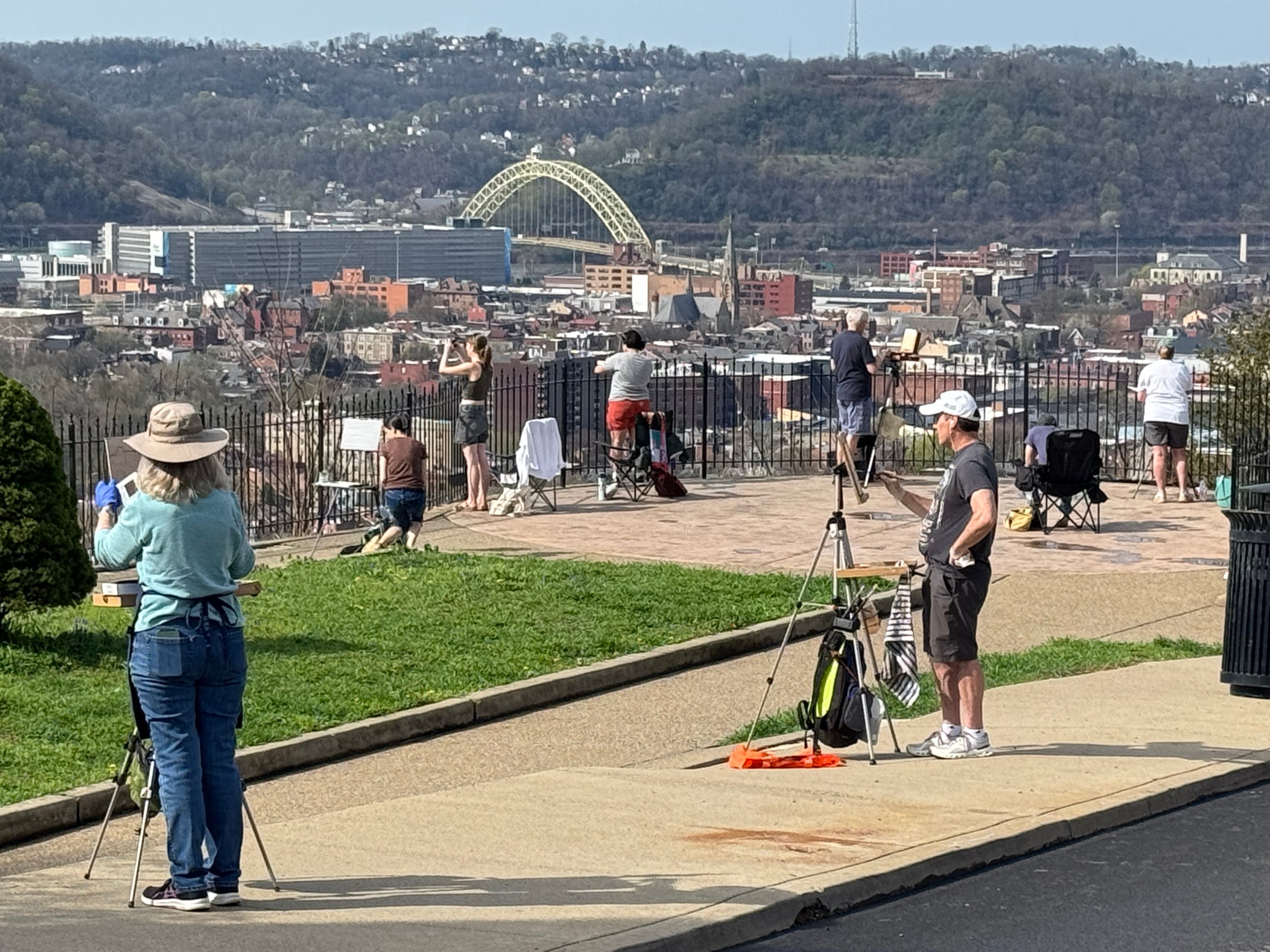
Two years ago, I started a plein air painting group here in Pittsburgh. We now have more than 200 members and meet every Saturday, with around ten to twelve people usually attending. Knowing the group is meeting gets me outside and painting, even on days when I might otherwise talk myself out of it.
Your group does not need to be large or complicated. It could simply be three friends meeting at a coffee shop with their sketchbooks once a month.
Online groups count too. I currently join a Monday portrait session called Drawing Is Free by Chloe Briggs. Portraiture is not even my favorite subject, but I am having the best time. More importantly, it is getting me to make art.
6. Sign Up for a Class or Workshop
Classes and workshops can give you structure when you are struggling to create consistently.
I try to take several throughout the year, mostly online. I especially enjoy workshops that continue for several weeks and include assignments. You can bet I am doing the homework, and sometimes doing it twice. When the instructor offers critiques, I am even more motivated to create because thoughtful feedback can help you see what is working and what to focus on next.
A class does not need to be expensive or formal. Find an artist you enjoy on YouTube and create your own challenge. Each time they share a new video, choose one idea to explore, such as a color combination, tool, subject, or technique.
There are also plenty of free or inexpensive sessions online. Art School Live with Eric Rhoads and Winslow Art Center are two places to explore.
The goal is not to endlessly collect classes. It is to use them as a reason to make the work.
7. Reduce Phone Distractions
If you are anything like me, your phone can consume an impressive amount of time.
Email, social media, YouTube, and news can easily fill the little pockets of time that might otherwise be available for art. I recently wrote an entire post called “Less Scrolling. More Painting.” about becoming more intentional with how I spend my time.
Take a look at your phone’s screen-time report. You may be surprised by what you find.
Now imagine taking even a small portion of that time and giving it back to your art. Twenty minutes might be enough for a sketch. Thirty minutes could become a small painting. Those little sessions add up.
A few weeks ago, I started using an app called Jomo to block or limit some of the most distracting apps on my phone. It has been incredibly helpful, and I like the way it functions. Your device may also have built-in tools that allow you to limit apps, schedule downtime, or reduce notifications.
You do not need to give up your phone entirely. You may simply need to make it slightly less convenient than your sketchbook.
8. Work Smaller
The idea of beginning a large painting can feel intimidating. Some days, even a perfectly reasonable 8-by-10-inch surface can feel like a major commitment.
So, work smaller.
Keep a small sketchbook nearby. Cut paper into 5-by-7-inch pieces ahead of time. Paint on scraps. Give yourself a surface that feels manageable rather than important.
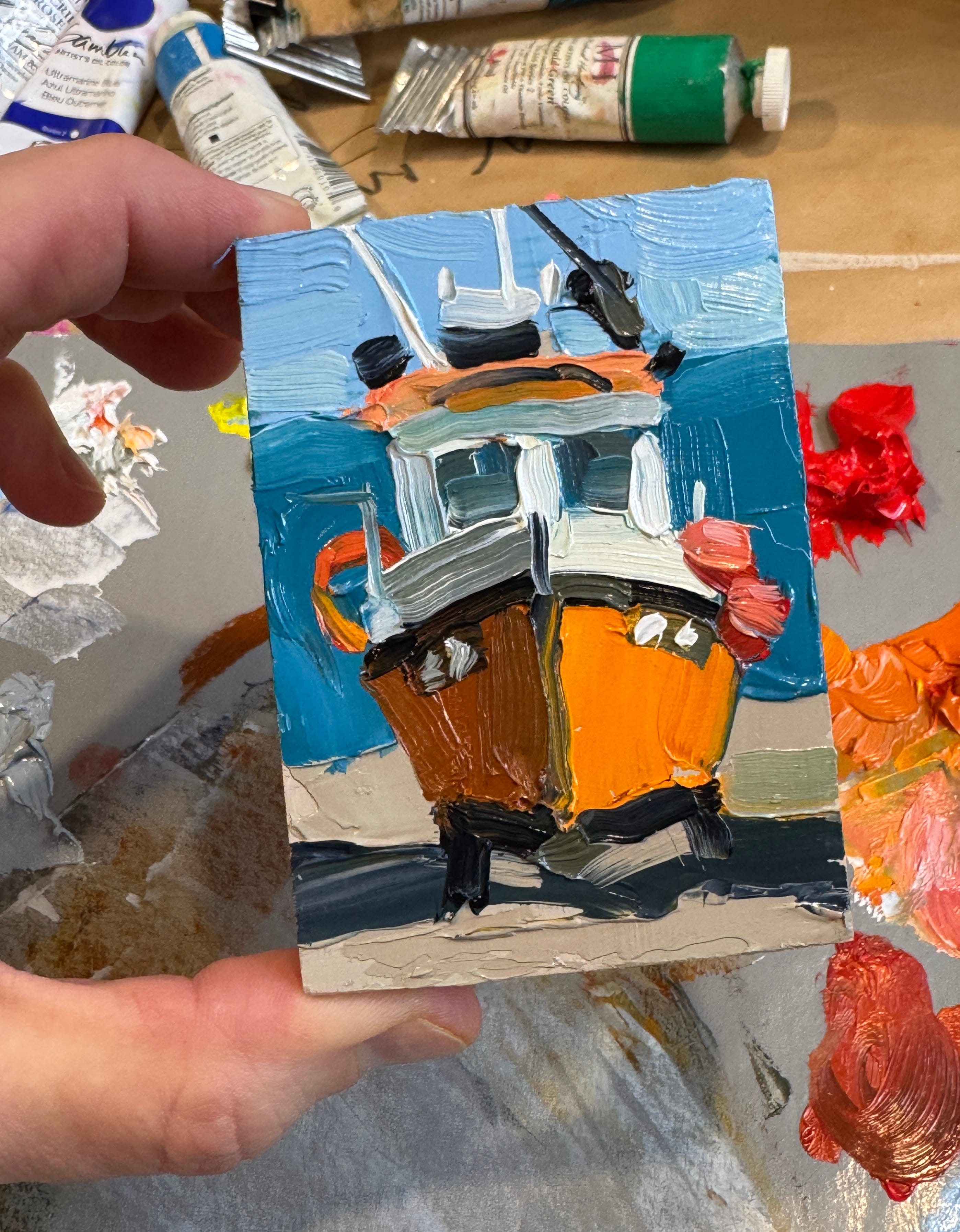
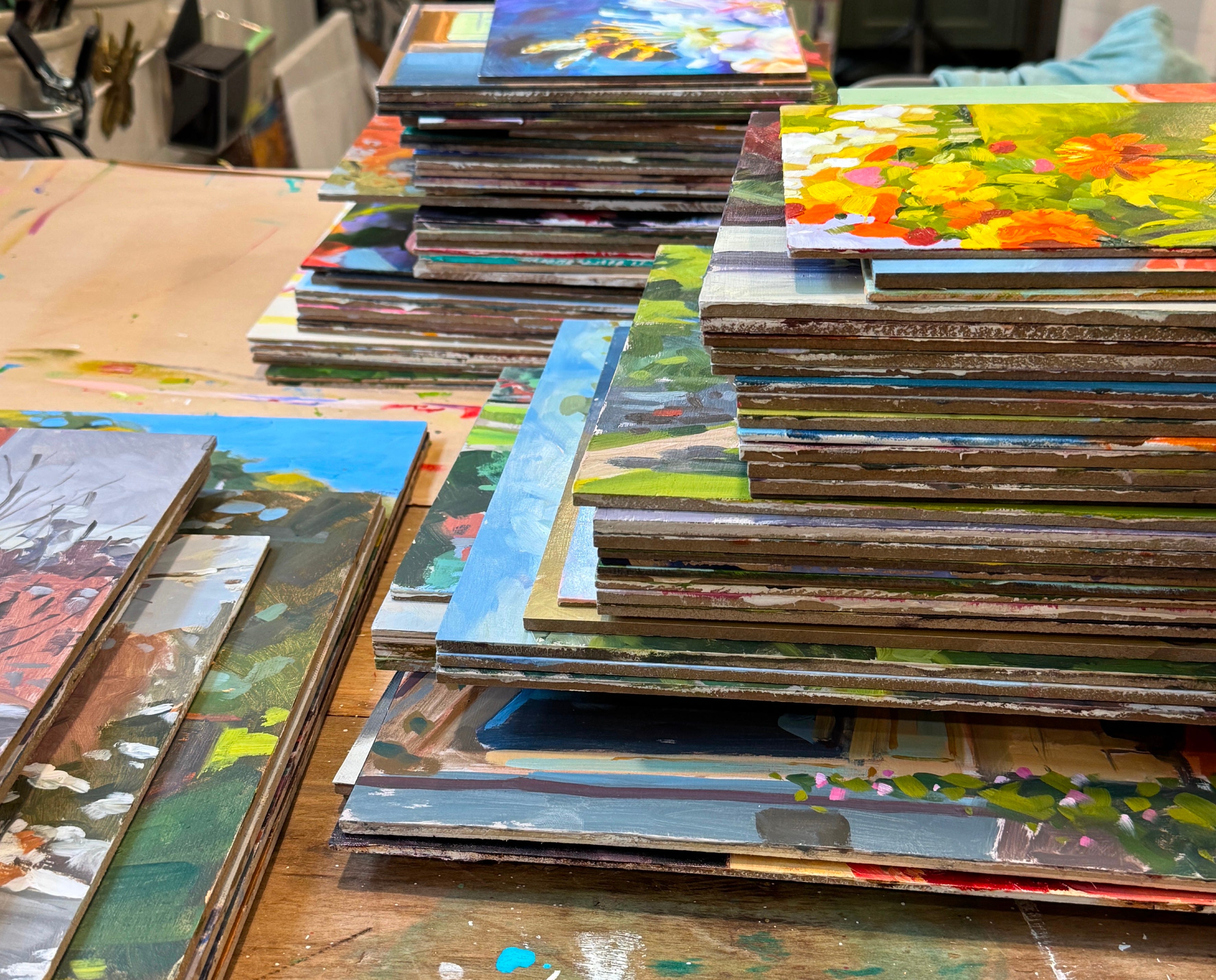
I have been working on a series of mini paintings that are roughly three inches square. There are days when I do not have the physical or mental energy for a larger painting, so I turn to these. I use the little setup on my dining room table and make something small.
You are still practicing. You are still making decisions about color, shape, value, and composition. You are still getting in those brush miles.
The point is not the size of the finished work. The point is showing up.
9. Find a Go-To, No-Fail Way to Create
Sometimes you need a win to keep your creative momentum going.
This is when you turn to the process that almost always feels good. It is the thing that makes time disappear, quiets your mind, and leaves you smiling, regardless of the finished result.
For me, that is making collage papers.
For you, it might be drawing your cat, painting clouds, making single-line contour drawings, sketching figures, mixing colors, or drawing the same coffee cup again and again.
When everything else feels difficult, return to your no-fail process.
Do not have one yet? Borrow one of these ideas and experiment. You can also read my post, “5 Ways to Touch Art Daily, Even When You Don’t Feel Like It,” for a few more approachable ways to begin.
10. Be Willing to Make Bad Art
This may be the most important one.
If you want to make more art, you are going to make some bad art. These things come together. There is no path to making a lot of strong work that somehow avoids the awkward, frustrating, or unsuccessful pieces.
The good news is that all the bad art goes into the good art.
It teaches you what does not work. It helps you understand your materials. It gives you information you can use in the next piece. It builds the skills and instincts that eventually make the stronger work possible.
You might even set out to make something bad. Try the strange color. Use the unfamiliar tool. Paint the subject you do not understand. Let yourself experiment without requiring the finished piece to prove anything.
The more you can value the process, the less power one disappointing result will have over you.
Now It Is Time to Make Some Art
One final reminder: Think less. Paint more.
And friend, I am talking to myself here too.
Stop waiting until you have the perfect subject, the perfect brush, the perfect paint color, or a completely free afternoon. Stop deciding that ten minutes is not enough time or that the finished piece needs to be good for the experience to count.
Choose the easiest idea from this list. Open the sketchbook. Set out the paint. Make one small thing.
Then make another when you can. Rinse and Repeat.
Before you go, I would love to hear from you: Which of these ideas would make the biggest difference in your creative practice right now? Or what simple habit has helped you make more art?
Share it in the comments so we can keep the conversation going, make this list even stronger, and get more beautiful art out into the world.
This is such a great list of things to get of the obstacles to making art. I’ve been collecting photos for inspiration but lately I’ve started to print them out or look for physical media such as calendar pictures or magazines. That way, I don’t need to pick my phone up and can’t get distracted
Vonnegut said to make art every day, good or bad, at least you made something. Thank you for the kick in the pants!